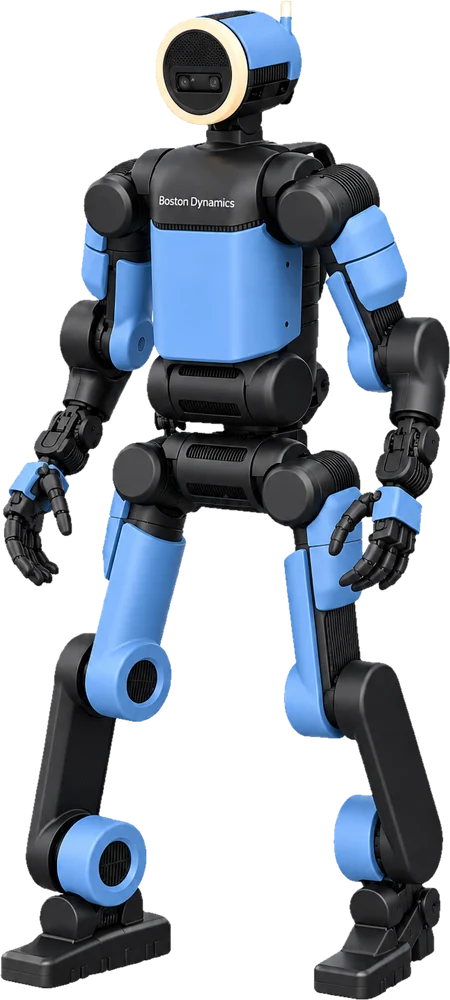
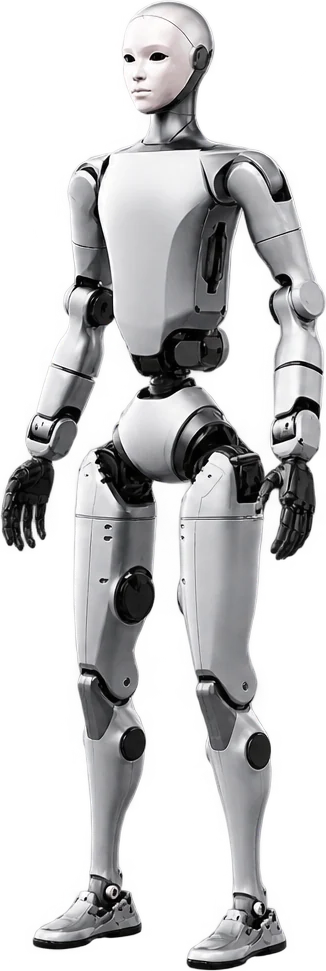
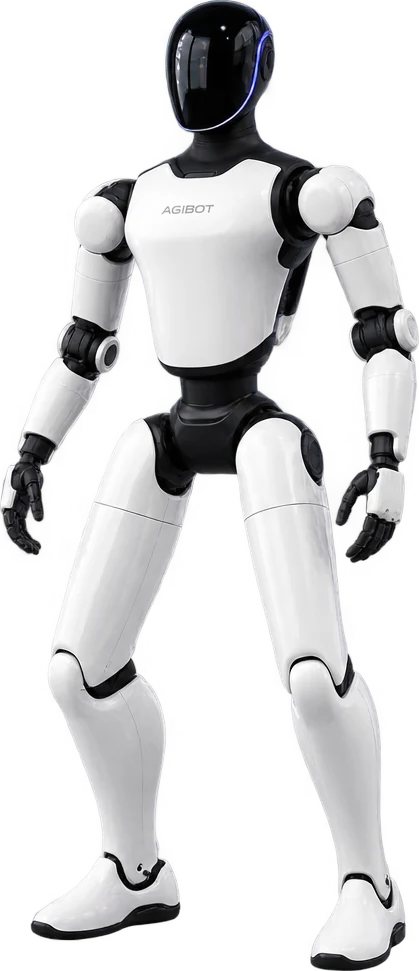
Boston DynamicsAtlasPrototype · pilot production 2026 Unitree RoboticsH2 EDUShipping Identity
Status
PrototypePilot production; 2026 units committed to Hyundai and Google DeepMind
ShippingSold through Unitree sales and distributors
ShippingListed by distributors; AgiBot has not published availabilityThird-party figure
PriceMark listed or estimated; state what is included
Not disclosed
Not disclosed
$50,000Listed on a third-party guide; AgiBot price on inquiryThird-party figure
Announced
Jan 2026Production version at CES 2026; electric Atlas first shown Apr 2024
Oct 2025
Jul 2026WAIC 2026, Shanghai
Available
2027Orders for other customers expected to open
2026On sale; confirm stock with Unitree or a distributor
2026Via distributorsThird-party figure
Body
Height
190 cm
182 cmAbout 180-182 cm
174 cm
WeightBattery included
90 kg
70 kgBase H2 figure; EDU with hands may differ
60 kg
Degrees of freedom
Body and hands, separately where publishedWhat this means
Each degree of freedom is one joint that can move on its own. More joints mean more human-like movement, but also more motors to power and control. Hands are where counts climb fastest: a dexterous hand alone can have 10 to 20.
56 totalBody/hand split not published
31 body + handsDepends on the hand model fitted
31 body + 20 hands10 per hand; hands optional, up to 20 DoF per hand
Hands
Dexterous3 fingers + opposable thumb, tactile sensing
DexterousSeveral hand models to choose from
OptionalDexterous, 10 DoF each; up to 20 DoF option
Locomotion
Legged
Legged
Legged
Performance
Max speedWalking (legged) or driving (wheeled); running listed separately
Not disclosed
Under 2 m/sWalking; top running speed not published
1.8 m/sDaily walking; 2.5 m/s lab max, 5 m/s running
Payload
Always say per arm or carried, and peak or sustainedWhat this means
How much a robot can lift is quoted in very different ways: per arm or with the whole body, as a brief peak or something it can hold all shift. Only figures measured the same way can be compared.
50 kg peak · 30 kg sustainedCarried, whole robot
7 kg per arm rated · 15 kg peakRated / peak per arm, per Unitree
5 kg per armAgiBot figure; a third-party guide lists 10 kg 'strength'
Battery capacity
Not disclosed
972 Wh15 Ah lithium pack, quick-release
1,152 Wh
Runtime
Include stated conditionsWhat this means
Hours on one charge mean little without the conditions: standing still drains far less than walking or carrying loads. A robot that swaps its battery can work longer than its runtime suggests.
About 4 hConditions not stated
About 3 hDepends on configuration
8 hAt a 1:1 standing-to-walking ratio
Battery swap
AutonomousDual batteries swapped by the robot at a station
ManualQuick-release smart battery
ManualBattery replacement plus autonomous charging (docks itself)
Charging time
Not disclosed
Not disclosed
2 h or less
Environmental rating
IP code + operating temperatureWhat this means
The IP code says how well the robot is sealed: the first digit is dust, the second water. IP67 means dust-tight and able to survive brief submersion, which matters in factories that are hosed down.
IP67, -20 to 40 °CWater-resistant for washdowns
Not disclosed
Not disclosed
Intelligence
Onboard compute
Not disclosed
Intel Core i5 (motion) + Intel Core i7 (development)EDU adds an optional high-power AI module, e.g. NVIDIA Thor
RK3588 (motion) + RK3588S2 (head) + NVIDIA Thor (AI)
Sensors
Vision cameras, tactile hand sensorsFull suite not disclosed
Wide-FOV binocular camera, IMU, joint sensing, microphone array
3D LiDAR, 2 RGB-D (chest, pelvis), 3 fisheye, binocular and surround camerasPlus GPS/RTK and UWB positioning, shoulder touch sensors
Control approach
What this means
Who is really in control. A teleoperated robot is driven by a person; a scripted one replays programmed moves; a learned policy decides for itself from training. Demos often mix all three without saying so.
Autonomous, teleoperated or tablet-steeredGemini Robotics models via Google DeepMind
Learned and scripted via SDKDevelopers program behaviours; autonomy depends on software
Autonomous embodied AI
Market
Target use
IndustrialParts sequencing at Hyundai Metaplant America by 2028
Research, education, development
Commercial serviceReception, retail, guided tours, data collection
Developer access
Not disclosed
Open SDKFull SDK access on EDU: unitree_sdk2 (C++/Python), ROS 2
LimitedOpen software tools mentioned; no detailsThird-party figure